
The mental benefits of poker: Strategy, patience, and decision-making
Poker is often misunderstood. To many outsiders, it is seen purely as a gambling activity driven by luck and chance. In reality, poker—especially games like Texas Hold’em—is a deeply intellectual discipline that rewards logic, emotional control, and long-term thinking. Across Asia and around the world, millions of players engage with poker not just for entertainment, but because it challenges the mind in ways few other games can.
Unlike games that rely solely on reflexes or memorization, poker constantly forces players to think, adapt, and make decisions under uncertainty. Every hand presents a new puzzle. Every opponent brings a different mindset. Over time, poker becomes a powerful mental training ground that strengthens strategic thinking, patience, and decision-making skills that extend far beyond the table.
In this article, we explore the mental benefits of poker, focusing on how the game improves strategy, patience, and decision-making. Whether you play online or live, casually or competitively, poker can positively shape the way you think, plan, and react in everyday life.
strategy
Poker as a game of strategy and long-term thinking
Poker teaches structured strategic thinking
At its core, poker is a strategy game. While chance determines which cards you receive, strategy determines how you use them. Players must constantly evaluate situations, compare options, and choose the most profitable line over the long run.
Every decision in poker—whether to raise, call, fold, or bluff—requires analysis. Players consider hand strength, position, opponent behavior, stack sizes, and previous actions. This structured thinking trains the brain to process complex information quickly and efficiently.
Over time, players learn to think in systems rather than isolated moments. Poker teaches that success is not about winning one hand, but about making the best possible decisions repeatedly.
Learning to think in probabilities
Poker naturally introduces players to probability and risk assessment. You are rarely certain of the outcome of a hand, but you can estimate the likelihood of different scenarios. This constant exposure to probability sharpens numerical intuition and logical reasoning.
Players begin to understand concepts such as expected value, odds, and variance—even without formal mathematical training. This probabilistic mindset helps players become more comfortable with uncertainty, a valuable skill in both professional and personal decision-making.
Adapting strategy to changing situations
One of poker’s greatest mental challenges is adaptability. No strategy works forever. Opponents change, table dynamics shift, and new information constantly emerges.
Poker trains players to remain flexible and adjust their approach in real time. A strategy that works against aggressive players may fail against conservative ones. Learning when to shift gears—tighten up, loosen up, bluff more, or slow down—develops cognitive flexibility and creative problem-solving.
patience
How poker develops patience and emotional control
The importance of waiting for the right moment
Poker strongly rewards patience. Unlike many fast-paced games, poker often involves long stretches of folding and observing. Beginners frequently struggle with this, feeling the need to play every hand. Over time, players learn that waiting is not weakness—it is discipline.
This patience translates directly into real-life situations. Poker players become more comfortable delaying gratification, waiting for better opportunities, and resisting impulsive actions.
The ability to sit calmly, observe, and wait for favorable conditions is a rare and valuable mental skill.
Managing frustration and setbacks
Losses are inevitable in poker, even for the best players. Bad beats, unlucky cards, and short-term variance can test emotional resilience. Poker forces players to confront frustration without losing control.
Learning to accept losses without emotional reaction is one of poker’s most powerful mental benefits. Players discover that anger, revenge play, and emotional decisions only worsen outcomes.
This emotional discipline builds resilience, teaching players how to recover from setbacks and remain focused despite temporary failures.
Developing self-awareness and discipline
Poker acts as a mirror of the mind. When players lose control, play too many hands, or chase losses, the consequences are immediate and visible. This feedback loop encourages self-reflection and accountability.
Players become more aware of their emotional triggers, stress responses, and decision-making flaws. Over time, they learn to manage emotions consciously rather than react instinctively.
This self-discipline often carries over into work, relationships, and personal goals.
decision-making
Poker and decision-making under pressure
Making Decisions with Incomplete Information
One of poker’s defining characteristics is incomplete information. You never know your opponents’ exact cards, yet you must still make decisions with real consequences.
Poker trains players to make the best possible decisions with limited data. This skill is highly transferable to real-world situations such as business, leadership, and problem-solving, where perfect information is rarely available.
Players learn to gather clues, identify patterns, and act confidently without certainty.
Evaluating risk versus reward
Every poker decision involves weighing risk against reward. Should you call a bet knowing you might lose, but with the potential to win a large pot? Should you fold a decent hand to avoid a dangerous situation?
This constant risk assessment sharpens judgment and improves decision quality. Players become less afraid of calculated risks and more cautious about reckless ones.
Over time, poker players develop a balanced mindset—neither overly cautious nor overly aggressive.
Learning to detach from outcomes
One of poker’s most profound lessons is understanding that a good decision can lead to a bad outcome—and vice versa. Poker separates decision quality from results.
This concept is crucial for mature decision-making. Players learn to judge their choices based on logic and process rather than short-term outcomes. This reduces emotional volatility and regret.
In real life, this mindset helps people accept uncertainty and focus on long-term improvement instead of instant validation.
cognitive benefits
The psychological and cognitive benefits of poker
Improving focus and concentration
Poker demands sustained attention. Players must track multiple opponents, remember previous actions, observe betting patterns, and analyze board textures—all while managing their own strategy.
This level of mental engagement improves concentration and cognitive endurance. Regular poker players often report improved focus and attention spans, especially in environments that require long periods of mental effort.
Enhancing memory and pattern recognition
Poker trains memory through constant recall of hands, betting sequences, and opponent tendencies. Players begin to recognize patterns in behavior, betting sizes, and strategic habits.
This pattern recognition strengthens cognitive processing and analytical thinking. It also enhances the ability to learn from experience and apply past lessons to new situations.
Encouraging critical thinking and logic
Poker punishes emotional reasoning and rewards logic. Over time, players naturally shift toward critical thinking, questioning assumptions and testing beliefs.
Why did an opponent raise? What hands make sense here? What is the most logical explanation for this behavior? These questions sharpen reasoning skills and intellectual curiosity.
mental awareness
Social intelligence and mental awareness at the table
Reading people and situations
Poker is a social game as much as a strategic one. Players constantly interpret body language, timing, and behavioral patterns. This improves social awareness and empathy.
Understanding how others think, react, and feel is a valuable life skill. Poker trains players to observe without judgment and to interpret subtle signals accurately.
Learning emotional intelligence
Poker environments expose players to a wide range of personalities and emotional states. Learning how to interact respectfully, manage conflict, and remain composed enhances emotional intelligence.
Players who succeed socially at the table often carry these skills into professional and personal interactions.
mental training
Poker as mental training for everyday life
Applying poker skills outside the game
The mental benefits of poker do not stop at the table. Strategic planning, patience, emotional control, and rational decision-making are valuable in nearly every area of life.
Many players report improved performance in business negotiations, financial planning, and stress management as a result of poker experience. The game encourages calculated thinking rather than emotional reaction.
Developing a growth mindset
Poker naturally promotes a growth mindset. Improvement comes from learning, reflection, and adaptation—not from blaming luck.
Players who embrace this mindset become more open to feedback, more resilient after failure, and more motivated to improve. This attitude is essential for long-term success in any discipline.
Why poker is a powerful tool for the mind
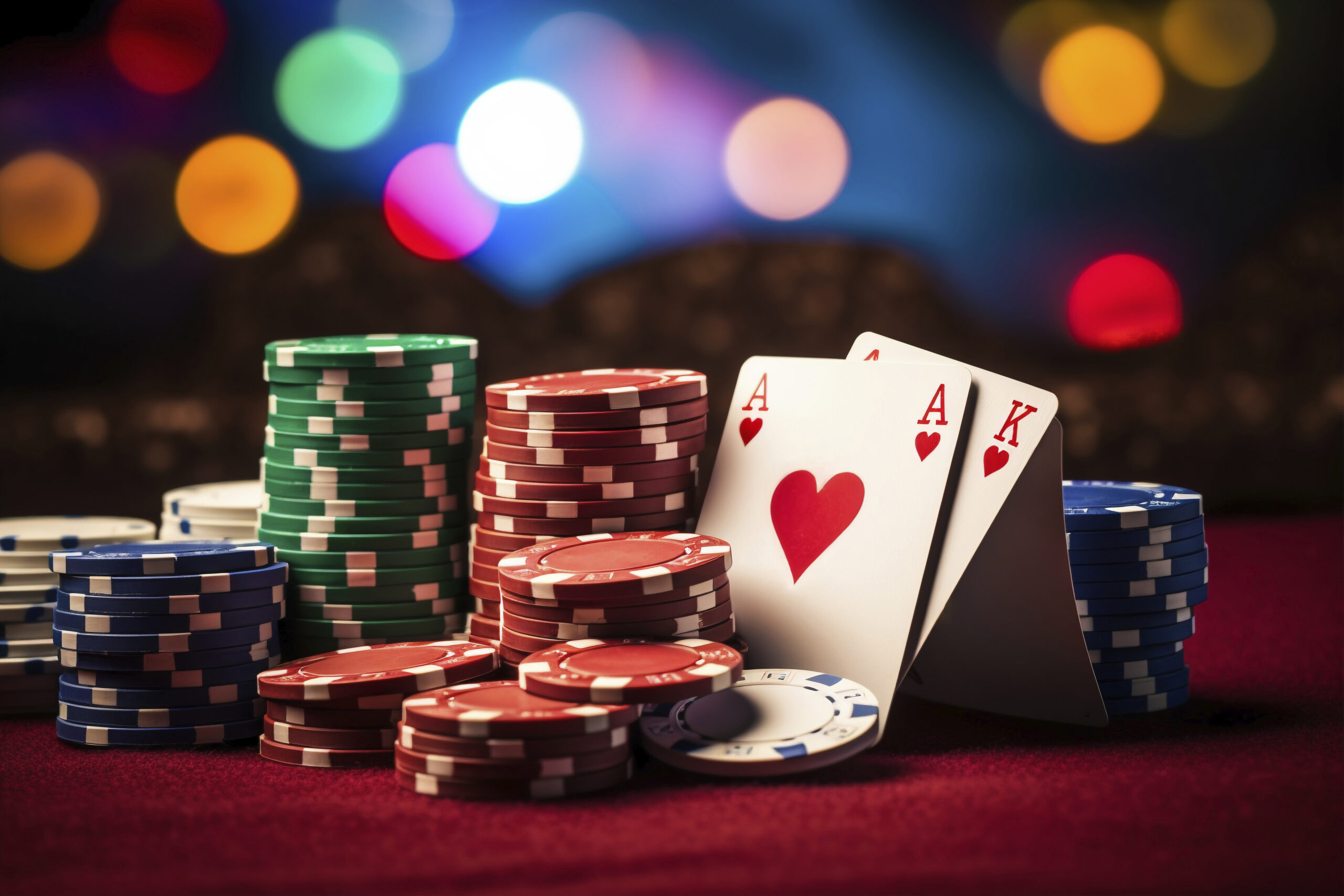
Poker is far more than a game of cards. It is a mental discipline that strengthens strategic thinking, patience, emotional control, and decision-making under pressure. Through constant analysis, adaptation, and reflection, poker trains the mind to operate with clarity and discipline in uncertain environments.
By teaching players to manage risk, control emotions, and focus on long-term outcomes, poker offers valuable lessons that extend well beyond the felt. Whether played casually or competitively, poker challenges the intellect and builds mental resilience in a way few games can.
For players in Asia and around the world, poker represents not just entertainment, but an opportunity for cognitive growth and personal development. When approached thoughtfully, poker becomes a powerful ally in sharpening the mind and mastering decision-making in both the game and life itself.
