
Poker and superstitions – the wild beliefs of players
Poker is not just a game of skill, strategy, and psychology—it is also a game steeped in superstition. Across casinos, home games, and online platforms, players cling to rituals, lucky charms, and bizarre beliefs in the hope of influencing their fate at the table. Some rituals are harmless quirks, while others can border on the absurd, yet they reveal a fascinating aspect of the poker culture: the human desire to control luck.
From lucky socks to secret pre-game routines, superstitions are deeply ingrained in poker’s history. Players often believe that certain actions, objects, or habits can sway the cards in their favor, boost confidence, or intimidate opponents. Whether you are a casual enthusiast or a high-stakes professional, superstitions are part of the shared lore that makes poker so colorful.
In this article, we explore the most unusual and intriguing poker superstitions, why players cling to them, and what they reveal about the psychology of gambling and
Classic lucky charms
The power of objects
Many poker players carry physical lucky charms as talismans. Some wear a particular ring, bracelet, or necklace, while others bring a specific coin, figurine, or even a lucky pen to the table.
For example:
- Some players insist their rabbit’s foot brings them luck.
- Others never sit down at a table without their lucky hat or shirt.
- Certain high-stakes players reportedly use personalized poker chips or card decks they believe are more fortunate.
These objects provide psychological comfort, giving players a sense of control over an inherently uncertain game.
Unusual objects
Some superstitions are downright bizarre. Stories abound of players bringing items such as:
- A miniature buddha statue
- A family heirloom coin
- A toy figure from childhood
While these objects have no real effect on the cards, they can boost confidence and reduce anxiety, indirectly affecting decision-making at the table.
Rituals and pre-game habits
The morning routine
Many players follow strict pre-game routines. Some insist on eating a particular meal, drinking a certain beverage, or listening to a favorite song before sitting down.
Rituals include:
- Tapping chips a set number of times before betting
- Arranging cards in a specific order
- Blowing on cards or chips “for luck”
These rituals provide structure, calm nerves, and create mental focus. Even if they do not influence luck, the psychological benefits are real.
Superstitions during the game
During play, some players adopt continuous rituals:
- Knocking on the table before folding
- Avoiding looking at the flop until certain cues are met
- Playing only from a “lucky” seat
These behaviors are part habit, part belief, and often observed even among seasoned professionals.
Clothing and accessories
Lucky apparel
Poker players are notorious for “lucky” clothing. Certain shirts, jackets, hats, or even socks are thought to carry good fortune.
Examples include:
- Wearing the same shirt after a big win
- Never changing socks during a tournament
- Using a specific bracelet that was present during previous victories
While it may seem silly, this creates a sense of psychological consistency, which can positively affect confidence and reduce decision-making stress.
Visual superstitions
Some players avoid wearing red or green, believing it affects luck, while others insist that a specific color combination must be present. In poker, every detail can become symbolic.
Numerical superstitions
Favorite numbers
Many poker players favor lucky numbers, often influencing seat choice, bet sizes, or chip stacks. For example:
- Betting amounts ending in “7” or “8”
- Choosing seat 3 because it was lucky in a previous tournament
- Using a favorite number to calculate raises or all-ins
These behaviors are rooted in personal history or cultural numerology, reflecting the strong psychological connection between numbers and luck.
Patterns and repetition
Some players also believe in repeating certain patterns:
- Folding every third hand
- Betting on even-numbered flops
- Following sequences observed in prior winning sessions
Although purely superstition, these patterns can create a sense of predictability and control in an unpredictable game.
Superstitions about opponents
Psychological influence
Poker superstitions are not only personal—they are also strategic. Some players use rituals to intimidate or unsettle opponents:
- Staring at opponents while performing a ritual
- Tapping chips in a deliberate pattern
- Claiming a “lucky streak” to create pressure
These actions can manipulate perceptions and indirectly influence table dynamics.
Reading signs
Superstitious players also interpret opponents’ behaviors as omens:
- Crossing arms means weakness
- Shuffling chips in a certain way signals bluffing
- Wearing a “lucky hat” indicates overconfidence
Belief in these signs may guide decisions, even if the logic is dubious.
Cultural superstitions in asian poker
MaEastern beliefs and poker luck
In asia, poker superstitions often draw from cultural beliefs:
- Feng shui principles for seat placement
- Lucky red envelopes or charms at the table
- Numerology affecting bet sizing
Players in cities like Bangkok, Manila, Phuket, Pattaya, and Phnom Penh may blend local traditions with global poker culture, creating unique rituals.
The influence of tradition
Incorporating traditional superstitions helps players feel connected to heritage, reducing anxiety and increasing enjoyment. This combination of strategy and ritual is a hallmark of poker in asia.
When superstition becomes obsession
The dark side of belief
While most superstitions are harmless, extreme reliance can affect performance:
- Refusing to play without a lucky charm
- Obsessively repeating rituals during every hand
- Avoiding certain players or seats for fear of bad luck
These behaviors can reduce flexibility, slow decision-making, and increase stress—ironically decreasing chances of success.
Balancing ritual and rationality
Successful players treat superstitions as psychological tools, not determinants of outcomes. They combine belief with skill, strategy, and probability, ensuring superstitions enhance confidence without controlling decisions.
Famous poker superstitions
Legendary players and their rituals
Even professionals embrace quirky habits:
- Some wear the same hat for years during tournaments
- Others insist on folding hands in specific sequences
- Certain players carry lucky coins or cards to the table
These rituals are celebrated in poker lore, illustrating that superstition is part of the culture at every level.
Stories from asian poker rooms
In Manila, Macau, Bangkok, and Pattaya, local tournaments have witnessed extraordinary rituals:
- Players entering barefoot believing it brings luck
- Chanting phrases before big hands
- Using unusual items like miniature statues or charms
These stories add color to poker culture and demonstrate how superstitions persist globally.
The fascinating world of poker superstitions
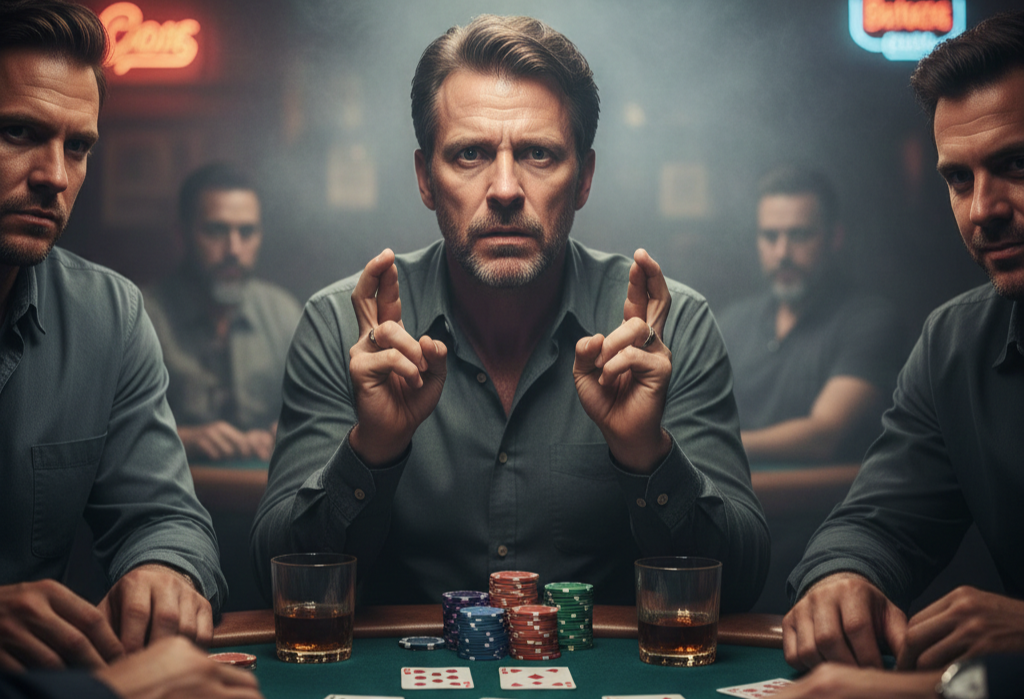
Poker is a game of skill, strategy, and psychology, but superstition remains a persistent and entertaining element of the culture. From lucky charms and rituals to numbers, clothing, and opponent observations, players worldwide—and particularly in asia—cling to behaviors that give them confidence and a sense of control.
While superstitions rarely influence the actual outcome of a hand, they affect mindset, focus, and decision-making. Understanding these beliefs provides insight into the human desire for luck, certainty, and psychological edge in uncertain situations.
Whether you are a casual player, a tournament enthusiast, or a professional in Bangkok, Manila, Phuket, Pattaya, or Phnom Penh, poker superstitions are an inseparable part of the game—sometimes amusing, sometimes extreme, and always fascinating.
