Why Poker Is More Than a Game: A Unique Social Experience
Poker is often described as a game of cards, probabilities, and strategic decision-making. To an outside observer, it may look like a purely competitive activity focused on money, rankings, and individual performance. Yet this perception only scratches the surface. For those who truly engage with poker—whether casually, professionally, online, or live—it quickly becomes clear that poker is far more than a simple game. It is a deeply human experience, shaped by social interaction, psychology, emotion, and shared moments.
Across the world, poker tables bring together people of different ages, cultures, professions, and personalities. In Asia, Europe, and beyond, poker has grown into a global phenomenon precisely because it creates connections between players. It is a place where stories are told, relationships are formed, and emotions are shared. Poker is not only about the cards you are dealt, but about the people you face, the conversations you have, and the atmosphere you create together.
This article explores why poker is much more than a game. It examines poker as a social language, a community builder, a psychological exchange, and a powerful shared experience that continues to thrive in both live and online environments.
POKER
Poker as a Universal Social language
One of the most fascinating aspects of poker is its universality. No matter where you are in the world, the basic rules of popular variants such as Texas Hold’em or Omaha remain the same. This common framework allows players from different countries and cultures to sit at the same table and instantly understand one another.
In a live poker room, language barriers often disappear. Players may not speak the same native language, but they communicate fluently through actions: bets, raises, folds, pauses, and gestures. Poker becomes a shared language built on timing, intuition, and observation. A single glance, a hesitation before betting, or a confident chip movement can convey more than words ever could.
This silent communication creates a powerful social bond. Players become attuned to one another, learning patterns and personalities over time. Even online, where physical cues are absent, players develop ways of expressing themselves through betting styles, chat messages, and strategic choices. Poker proves that meaningful social interaction does not always require spoken language.
HUMAN ELEMENT
The Human element at The heart of poker
Unlike many games that rely heavily on mechanics or artificial systems, poker is fundamentally human. You are not playing against a computer algorithm or a fixed set of rules; you are playing against other people. Every decision you make is influenced by your opponents’ behavior, tendencies, emotions, and perceived intentions.
This human element is what makes poker endlessly complex and engaging. A mathematically correct decision can fail because of human unpredictability. A risky bluff can succeed because of psychological pressure. Poker thrives on these interactions, where logic meets emotion and strategy collides with instinct.
Each player brings their own personality to the table. Some are aggressive and talkative, others quiet and analytical. Some play cautiously, others take bold risks. These differences shape the social dynamic of every game, ensuring that no two poker sessions are ever exactly the same.
Psychology
Poker is a mirror of Human psychology
Poker is often called a game of psychology, and for good reason. It forces players to confront not only the minds of others, but their own. Emotional control, self-awareness, and empathy are just as important as understanding odds and probabilities.
At the table, players experience a wide range of emotions: excitement, frustration, confidence, fear, joy, and disappointment. How these emotions are managed—or mismanaged—has a direct impact on performance. Learning to stay calm after a bad beat or to remain humble after a big win is part of the social and emotional discipline of poker.
At the same time, players constantly analyze the emotional states of others. Is an opponent nervous? Overconfident? Tilted after a loss? These psychological cues become valuable information. Poker trains players to observe, interpret, and respond to human behavior, making it a powerful exercise in social intelligence.
COMMUNITY
Building Communities arround the Poker table
Poker has an extraordinary ability to create communities. From small home games among friends to large international tournaments, poker brings people together around a shared passion. These gatherings often extend beyond the game itself, becoming social rituals that strengthen relationships.
Local poker rooms develop their own cultures and regulars. Players recognize familiar faces, exchange stories, and build friendships over time. Even rivals often share mutual respect, bonded by countless hours at the table together. The poker room becomes a social space where competition and camaraderie coexist.
Online poker has expanded these communities on a global scale. Players from across Asia and around the world can compete in the same tournaments, join the same platforms, and interact through chat features and forums. Many online players form long-lasting friendships, discussing strategy, life experiences, and shared goals beyond the game.
Exchange
Poker and Cultural exchange
Because poker attracts players from diverse backgrounds, it naturally encourages cultural exchange. Sitting at a table with people from different countries exposes players to new perspectives, habits, and ways of thinking. Conversations during breaks or between hands often drift beyond poker, touching on travel, food, work, and personal stories.
In Asia especially, the growth of poker has created new opportunities for cross-cultural interaction. International tournaments and online platforms bring together players from different regions, blending traditions and styles of play. Poker becomes a bridge between cultures, fostering understanding and respect through shared experience.
This cultural diversity also enriches the game itself. Different regions develop distinct playing styles and strategic preferences. Learning to adapt to these variations adds another layer of social and intellectual challenge, reinforcing poker’s role as a truly global social activity.
Experience
Every poker session is filled with moments that players remember long after the cards are put away. A perfectly timed bluff, a dramatic all-in, or a miraculous comeback creates stories that are retold again and again. These shared memories form the emotional core of poker’s social appeal.
Winning a big pot feels more meaningful when others witness it. Losing hurts less when fellow players empathize, having experienced similar moments themselves. Poker creates a shared emotional journey, where highs and lows are experienced together.
Tournaments, in particular, amplify this collective experience. Long hours at the table, rising tension as the bubble approaches, and the excitement of reaching the final stages create a sense of unity among players. Even competitors become part of the same narrative, connected by the intensity of the moment.
Social equalizer
Poker as a Social equalizer
At the poker table, social status outside the game often becomes irrelevant. Age, profession, wealth, and background matter far less than skill, mindset, and adaptability. A student can outplay a business executive; an amateur can defeat a seasoned professional.
This leveling effect makes poker uniquely inclusive. Everyone starts each hand with the same number of cards and the same rules. Respect is earned through play rather than position. This equality encourages open interaction and mutual recognition, breaking down barriers that exist in everyday life.
Poker also allows introverted individuals to engage socially in a structured environment. The game provides a natural focus, making interaction feel less forced and more organic. For many players, poker becomes a comfortable space to connect with others on their own terms.
Social skills
Learning Social skills through poker
Poker is an unexpected teacher of social skills. Over time, players develop patience, discipline, emotional regulation, and empathy. They learn how to read people, manage conflict, and communicate nonverbally.
Handling losses gracefully and winning with humility are social lessons that poker reinforces repeatedly. Players who fail to respect others or control their emotions quickly discover the social consequences at the table. In this way, poker encourages personal growth and maturity.
These skills extend beyond the game. Many players find that the lessons learned at the poker table improve their professional and personal relationships. Decision-making under pressure, understanding human behavior, and maintaining composure are valuable abilities in everyday life.
Poker isn’t just a game !
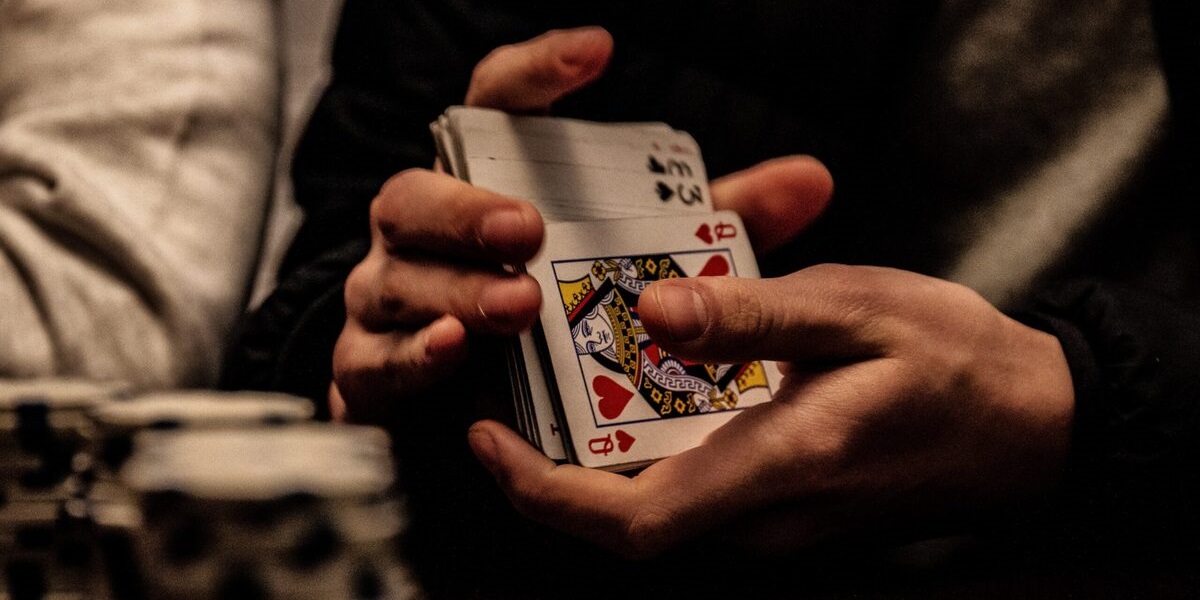
Poker is far more than a card game defined by odds and strategy. It is a rich social experience shaped by human interaction, psychology, emotion, and community. Every hand played is a conversation, every session a shared journey, and every table a meeting place for diverse individuals united by a common passion.
Whether played in a crowded casino, a friendly home game, or an online platform connecting players across Asia and the world, poker remains a unique space where competition meets connection. It teaches valuable life skills, fosters meaningful relationships, and creates memories that last far beyond the final hand.
Ultimately, poker endures because it reflects the human experience itself: uncertain, emotional, strategic, and deeply social. That is why poker is not just a game—it is a truly unique social experience.